
bedroom wall mirror with lights
The Indispensable Role of Plastic Spacers in Construction Industry In the dynamic world of construction, precision and accuracy are paramount. One innovative tool that has significantly contributed to achieving these standards is the plastic spacer. These seemingly small components play a colossal role in ensuring structural integrity and efficiency on construction sites. Plastic spacers, as the name suggests, are made from durable and resilient plastics, typically high-density polyethylene (HDPE) or polypropylene. They are designed to maintain a consistent and precise distance between construction materials, particularly in masonry work, concrete pouring, and steel reinforcement. Their usage reduces errors, enhances speed, and improves overall quality of the construction process. The benefits of using plastic spacers extend far beyond their basic function. Firstly, they offer a high level of resistance to weathering, chemicals, and corrosion, making them ideal for outdoor applications. Unlike their metal counterparts, they do not rust, ensuring a longer lifespan and reduced maintenance costs. Moreover, their lightweight nature simplifies handling and placement, reducing physical strain on workers and increasing productivity. They can also be easily customized to suit various project specifications, accommodating different sizes and shapes of bricks, blocks, or rebars. Plastic spacers also contribute to safety on construction sites. Their non-conductive properties eliminate the risk of electrical accidents, providing a safer working environment Their non-conductive properties eliminate the risk of electrical accidents, providing a safer working environment Their non-conductive properties eliminate the risk of electrical accidents, providing a safer working environment Their non-conductive properties eliminate the risk of electrical accidents, providing a safer working environment plastic spacers for construction . Additionally, they reduce the likelihood of injuries caused by sharp edges commonly found in metal spacers. In terms of sustainability, plastic spacers are a commendable choice. They are recyclable, minimizing waste and environmental impact. Furthermore, their durability ensures they can be reused in multiple projects, further enhancing their eco-friendliness. Despite their simplicity, plastic spacers have revolutionized construction practices. They have transformed the way structures are built, promoting accuracy, efficiency, and safety. As the industry continues to evolve, it is likely that the role of plastic spacers will only grow more significant, solidifying their position as an indispensable tool in modern construction. In conclusion, the use of plastic spacers in construction is not just a matter of convenience but a strategic move towards precision, safety, and sustainability. Their impact on the industry is profound, and their continued adoption is a testament to their effectiveness. Whether it's a towering skyscraper or a humble residential building, plastic spacers silently yet significantly contribute to the robustness and longevity of our built environment.
about
bedroom wall mirror with lights
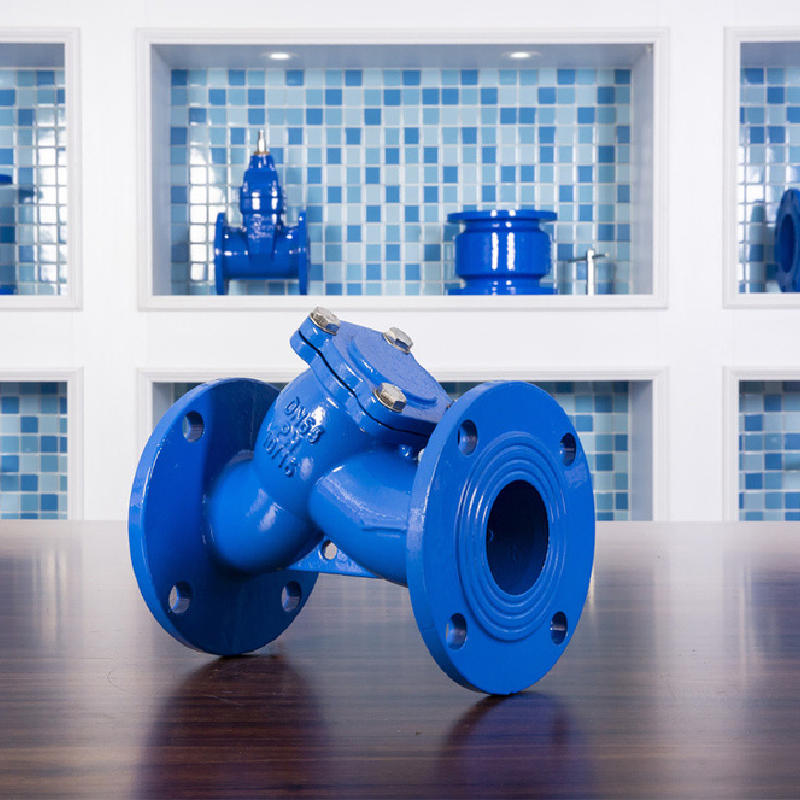
Understanding the 2% 201% 202% Gate Valve Functionality, Applications, and Benefits Gate valves are a critical component in various industrial applications, serving as essential mechanisms for controlling fluid flow. Among the numerous gate valve designs, the 2% 201% 202% gate valve stands out for its specific features and advantageous functionalities. This article elucidates the significance of this particular gate valve, its operational principles, applications, and the benefits it offers across different industries. What is a Gate Valve? Before delving into the specifics of the 2% 201% 202% gate valve, it is essential to understand the fundamental characteristics of gate valves. A gate valve is a type of valve that opens or closes by lifting the gate (a wedge or disk) out of the path of the fluid. They are designed primarily for on-off control rather than flow regulation, making them ideal for situations where a full flow is either fully open or completely closed. Features of the 2% 201% 202% Gate Valve The designation 2% 201% 202% indicates a specific category or model within gate valves, generally referring to particular size, pressure ratings, or design standards. Typically, such specifications are essential for engineers and operators as they guide the selection of valves suitable for specific applications. The unique features of this valve could include 1. Construction Material Gate valves like the 2% 201% 202% are often constructed using durable materials such as stainless steel or carbon steel, ensuring they withstand harsh environments and high-pressure conditions. 2. Design Standards These valves are manufactured in compliance with industry standards, ensuring reliable performance and safety. This could include adherence to API (American Petroleum Institute), ASME (American Society of Mechanical Engineers), or ISO (International Organization for Standardization) standards. 3. Size and Pressure Ratings This type of gate valve is available in various sizes and pressure classes, making it suitable for a range of applications, from residential plumbing to industrial systems. 4. Enhanced Sealing Performance Many modern gate valves are designed with advanced sealing technology to reduce leakage, further ensuring the efficiency of fluid systems. Applications of the 2% 201% 202% Gate Valve The diverse applications of the 2% 201% 202% gate valve underline its versatility and functionality. Some common applications include 2 1 2 gate valve 1. Water Distribution Systems These valves play a significant role in municipal water supply systems where they help regulate the flow of water between different sections of the pipeline. 2. Oil and Gas Industry In oil and gas pipelines, gate valves are used to control fluid flow. Withstanding high pressures and corrosive materials, they are essential for safe operations in this sector. 3. Chemical Processing The chemical industry utilizes these valves for regulating the flow of various chemicals, ensuring safe and efficient processing. 4. HVAC Systems In heating, ventilation, and air conditioning systems, gate valves help control water flow, maintaining the desired temperature levels. Benefits of Using the 2% 201% 202% Gate Valve Using the 2% 201% 202% gate valve offers several advantages, including 1. Reliability Gate valves are designed to provide a tight seal, minimizing leakage and ensuring reliability in fluid control. 2. Ease of Operation With simple mechanisms, they can be easily opened and closed using handwheels or automated systems, making operations efficient and less labor-intensive. 3. Cost-Effectiveness Due to their durability and low maintenance needs, gate valves often result in cost savings over their operational lifespan. 4. Versatility Their wide range of applications makes them suitable for various industries and settings, from residential plumbing to large industrial plants. Conclusion The 2% 201% 202% gate valve represents a critical component in the efficient management of fluid systems across various industries. Its robust design, versatility, and reliable performance make it an invaluable asset in applications ranging from municipal water supply to oil and gas operations. By understanding the functionality and benefits of this specific valve, engineers and operators can make informed decisions that enhance the efficiency and safety of their systems.
-

High quality industrial productsagement

High quality industrial products
View Details -

Meet the diverse needs of customers

Meet the diverse needs of customers
View Details -

Strict quality control

Strict quality control
View Details -

Top raw materials

Top raw materials
View Details -

Trusted supplier

Trusted supplier
View Details
Our application

news and information
Wire bird spikes for effective bird control solutions in outdoor spaces.
Bird spikes wire is a common and effective solution to prevent birds from roosting or nesting on bui
Vibrationspads
Vibrationsdämpfer Die Bedeutung von Vibrationspads in verschiedenen Anwendungen In der heutigen Welt
Wholesale Supply Solutions for Valves and Related Components
Understanding the Valve Wholesale Industry Trends and Insights In the dynamic landscape of industria
 English